Cynthia Osokogu was 25, a postgraduate student at Nasarawa State University, and the only daughter of a retired major-general in the Nigerian Army. In July 2012, she boarded a flight from Abuja to Lagos — a ticket paid for by a man she had met on Facebook. She believed she was visiting friends. She never came home.
The man who lured her was Okwumo Nwabufo. He had befriended Cynthia online, and on July 21, 2012, he convinced her to fly to Lagos, where he lodged her at the Cosmilla Hotel in the Lakeview Estate area of Festac Town. The next day, July 22, Cynthia was dead — drugged, strangled, and robbed by Nwabufo and his nephew, Olisaeloka Ezike. Her killers then helped themselves to her belongings, including her BlackBerry phone.
Cynthia became known in Nigeria as the first recognized casualty of social media abuse in the country — a young woman who did what millions do every day, trusted someone she met online, and paid for it with her life. Her father, a retired general, had to bury the daughter he had raised to be careful.
The trial began on February 8, 2013, with four men in the dock: Nwabufo and Ezike on murder charges, plus Orji Osita — a pharmacist accused of selling the Rohypnol-type drug used to subdue Cynthia — and Ezike’s younger brother Nonso, accused of handling stolen property. The prosecution called ten witnesses and built its case on circumstantial evidence the judge would later call cogent, complete, unequivocal, and compelling.
Five years after the killing, Justice Olabisi Akinlade of the Lagos High Court delivered the verdict. Nwabufo and Ezike were sentenced to death by hanging for murder, plus additional prison terms for conspiracy and stealing. Osita and Nonso were acquitted and discharged. ‘In their attempt to steal Cynthia’s property, they stole her life,’ the judge said. ‘They were not even remorseful.’
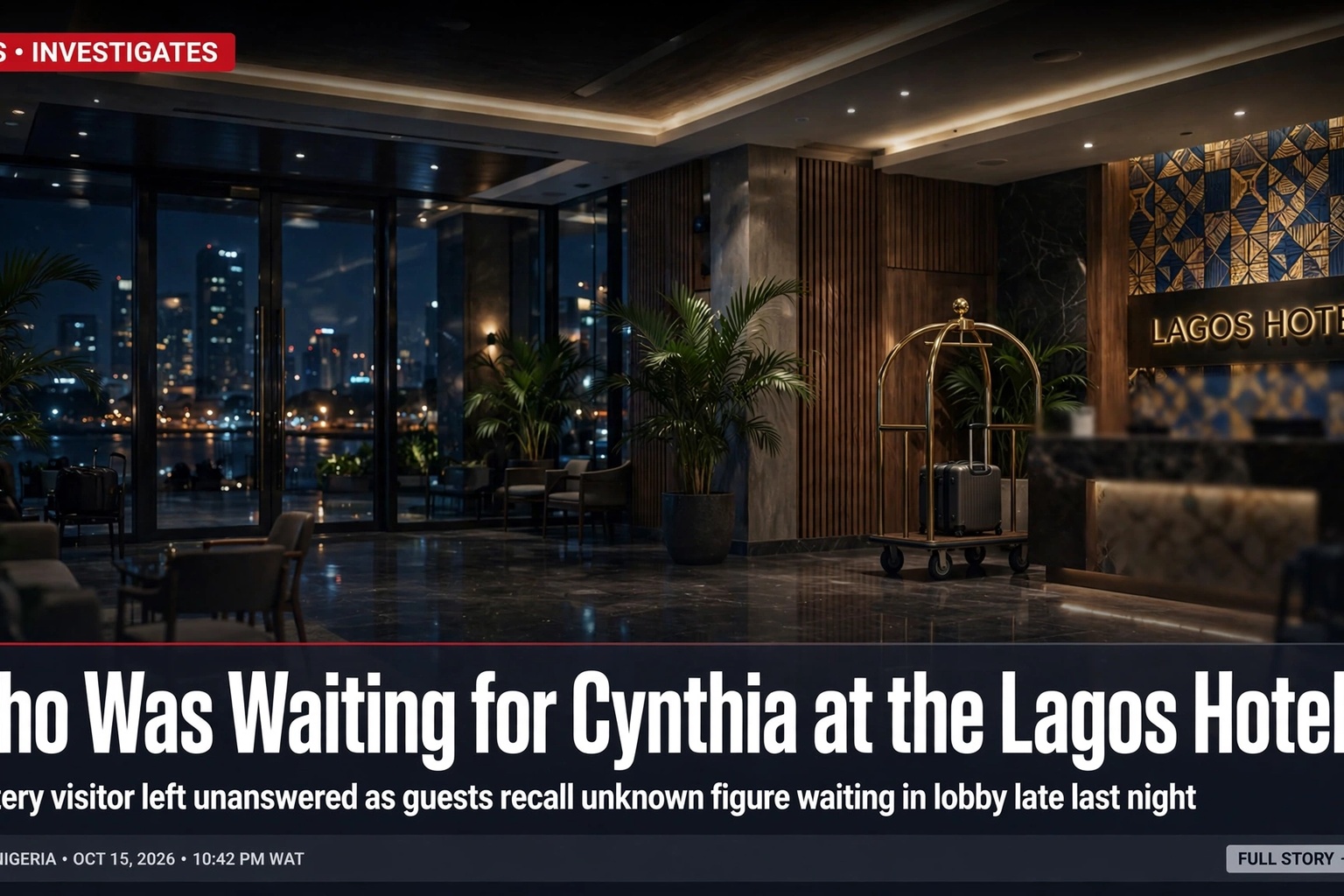
Cynthia’s story is told in Nigeria as a warning that has never lost its urgency: the person on the other end of the chat window is whoever they claim to be, right up until the moment they aren’t. A plane ticket, a hotel room, a friendly face at arrivals — and a family left asking who was really waiting for their daughter at the Lagos hotel.
Disclosure: The stories on Love Lies Abroad are based on publicly reported accounts. We are not stating these as facts — this is what was reported. If you are featured in a story and believe it is inaccurate, contact us and we will review it, correct it, or take it down.
Submit a correction, documentation, context, or a response for private editorial review. Contact the editorial desk.
Join the conversation
Load Facebook comments to read and reply using your Facebook account.