
‘I can come see you, but I have to pay my leave fee first. It’s $2,500 — the Army charges it before they’ll approve my request. If you can help, I’ll pay you back the day I land.’
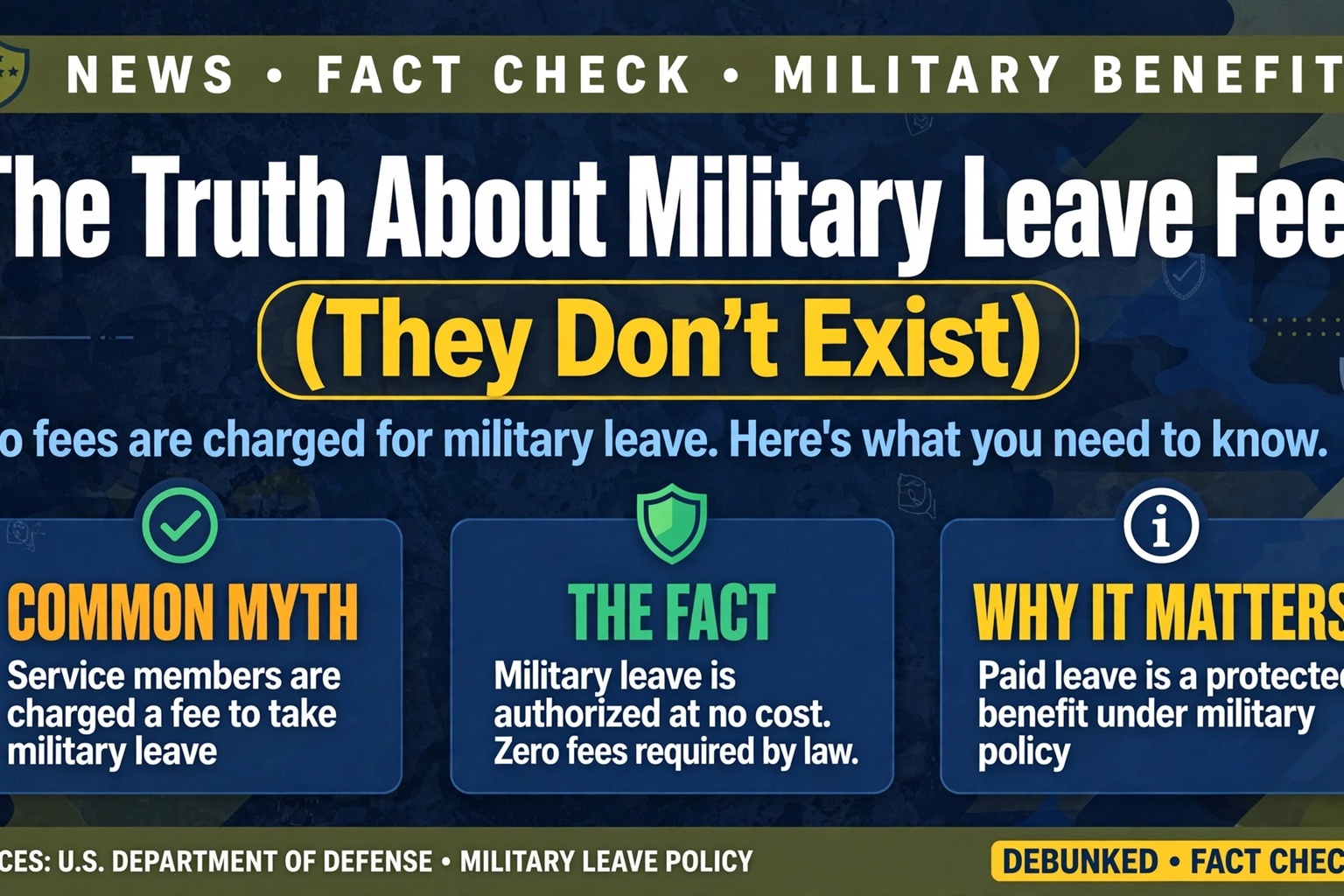
It sounds official. It sounds plausible. It’s completely fictional. There is no such thing as a military leave fee — not in the U.S. Army, not in any branch, not anywhere. Service members do not pay to take leave. Ever. The entire concept was invented by romance scammers, and it has extracted millions from people who didn’t know better.
Anatomy of the leave-fee script
The setup is always the same. The ‘soldier’ is deployed overseas. The relationship has been building for weeks — the FTC describes how scammers strike up a relationship to build trust, sometimes chatting several times a day, before inventing the crisis. Then comes the pivot: he’s been granted leave, he wants to visit, but there’s a fee. Sometimes it’s called a leave fee. Sometimes a processing fee, a replacement fee, or a ‘fiancée form’ charge. The names vary. The reality doesn’t: the military charges nothing.
The urgency is part of the design. The leave is approved but the window is short. The fee is due by Friday. If you love him, you’ll help. The FTC’s warning about scammer payment demands applies here in full — they want the money wired, loaded onto gift cards, or sent as crypto, in forms that can’t be clawed back.
Why this lie survives
It survives because most civilians don’t know military administrative procedure — and scammers know that. The persona borrows the military’s real complexity (deployments, rotations, acronyms) and inserts one fictional toll booth. The Senate’s romance scam report notes the DOJ’s warning that nearly 40 percent of the military community’s fraud losses came from imposter and romance scams — this lie doesn’t just exploit civilians’ ignorance, it trades on the military’s good name.
It also survives because the victim is emotionally invested before the fee appears. By the time the leave fee enters the chat, the victim isn’t evaluating a stranger’s claim about Army regulations. They’re clearing the last obstacle between them and the person they love. That’s the whole architecture of the con.
The real story in one sentence
The U.S. military pays, feeds, houses, transports, and grants leave to its service members at no charge — a soldier who needs your wire transfer to come home is not a soldier. If anyone in uniform asks you for money tied to leave, deployment, or discharge, the FTC’s guidance is clear: stop communicating, talk to someone you trust, search the story plus the word ‘scammer,’ and report it at ReportFraud.ftc.gov. The truth about military leave fees is simple: they don’t exist, and everyone asking for one is lying about everything else too.
The leave-fee lie is one member of a whole family of fake military charges — replacement fees, communication fees, discharge purchases, ‘fiancée forms’ — and every single one follows the same rule: if it involves a service member needing your money for a military process, it’s fiction. The Senate’s romance scam report places these scripts in their industrial context: romance scams are a subcategory of imposter scams, which have been the most reported online fraud category for four straight years, driven in part by romance fraud’s rise. The leave fee isn’t a creative one-off. It’s a standardized product, tested across thousands of victims, refined until it converts. Knowing the single fact — the military never charges for leave — inoculates you against the entire product line. Share that fact with anyone dating a ‘deployed soldier’ they’ve never met. It might be the cheapest rescue ever performed.
Disclosure: The stories on Love Lies Abroad are based on publicly reported accounts. We are not stating these as facts — this is what was reported. If you are featured in a story and believe it is inaccurate, contact us and we will review it, correct it, or take it down.
Submit a correction, documentation, context, or a response for private editorial review. Contact the editorial desk.
Join the conversation
Load Facebook comments to read and reply using your Facebook account.