
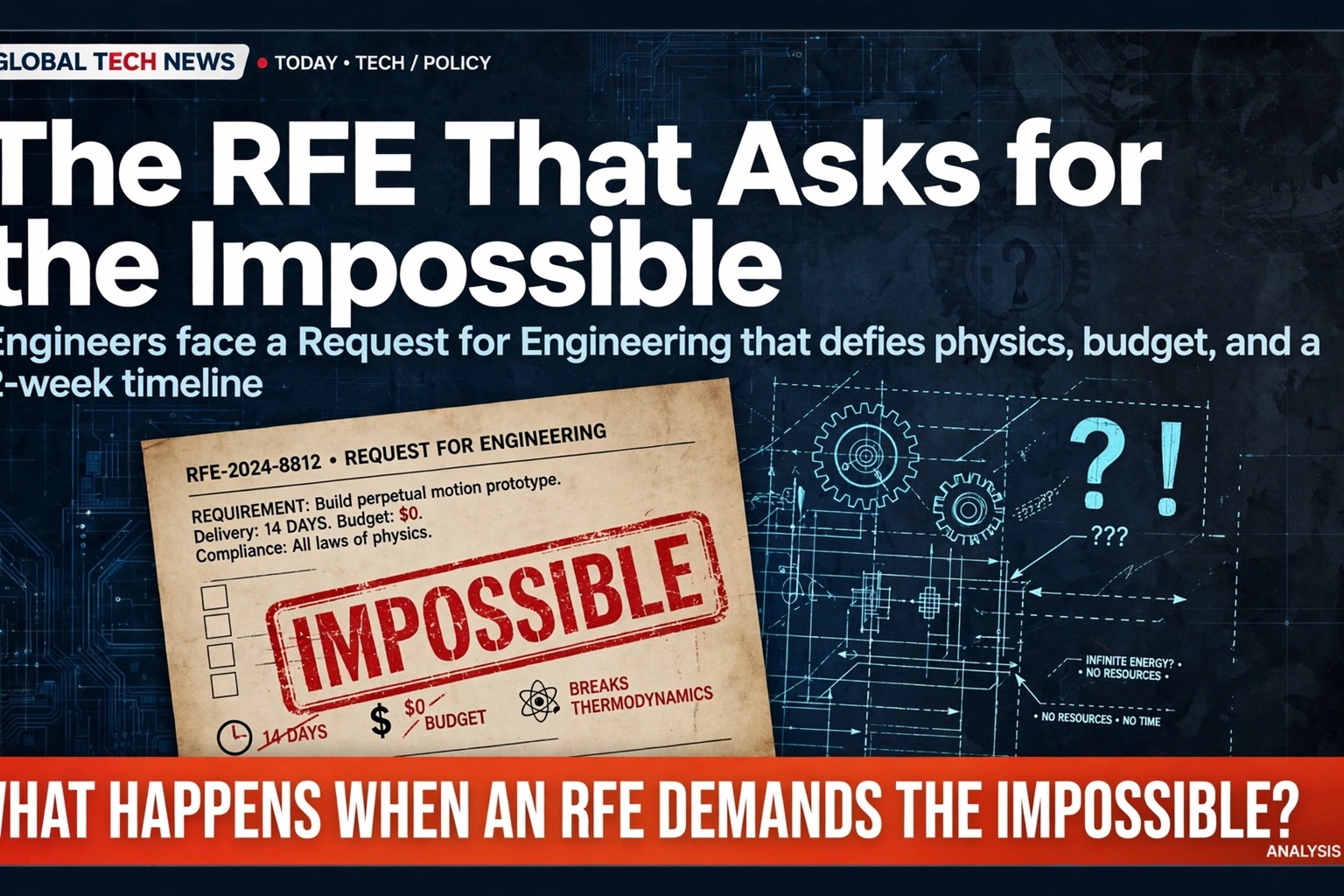
It arrives as a plain government letter, but it reads like a riddle: USCIS wants evidence you no longer have, for events years ago, by a deadline weeks away. The Request for Evidence is a routine part of K-1 adjudication — and mishandling it is one of the most mysterious ways solid cases die, because the couple never understands what the officer was actually asking.
What an RFE really means
A Request for Evidence is not a denial. It means the officer cannot approve on the current record and is giving the petitioner one structured chance to fill the gap, typically with a response deadline in the range of about 87 days. Read the letter literally: officers describe the deficiency as they see it and often specify what would satisfy them. The most successful responses mirror that language back, with labeled exhibits mapped to each numbered request. An RFE answered precisely is often followed by approval; an RFE answered approximately is often followed by a denial.
The “impossible” requests
The hardest RFEs ask for records that no longer exist: message logs from a discontinued app, boarding passes from years ago, a police certificate from a country in conflict, proof of a meeting whose hotel has long since closed. When the exact document is unobtainable, the standard approach is secondary evidence plus a sworn explanation: affidavits from people with direct knowledge of the facts, alternative records covering the same ground (bank statements showing travel charges where boarding passes are gone, for example), and a clear cover letter explaining why the primary record is unavailable and how each substitute proves the point. “Unavailable” is an acceptable answer only when it is documented and substituted, never when it is merely asserted.
Deadline discipline
The response deadline is not flexible in practice. A late response, or a response that addresses only some of the numbered items, leads to a decision on the existing record — which is usually a denial, since the record was already found insufficient once. Send the response by traceable mail, keep complete copies of everything submitted, and respond to every item even if the response is “unavailable, see attached affidavit.” One unanswered item can sink the whole response.
When to get help
An RFE questioning the bona fides of the relationship itself — rather than a missing document — is the signal to involve an immigration attorney before responding. What you submit becomes the permanent record that the consular officer will also read at the interview stage, and a careless RFE response can do more damage than the RFE itself. If the deadline has already passed and a denial issued, ask counsel about motions to reopen versus refiling; the right choice depends on the denial’s reasoning and the calendar. Informational only.
Finally, read the RFE’s deadline as the last day USCIS receives the response, not the day you mail it. Send it with a week of cushion by traceable mail, and confirm delivery. An RFE response lost in the mail past the deadline is treated the same as no response at all — and the paper-trail habits from elsewhere in this series are what save you here.
Sources: https://www.uscis.gov/i-129f https://www.uscis.gov/family/family-of-us-citizens/visas-for-fiancees-of-us-citizens
Disclosure: The stories on Love Lies Abroad are based on publicly reported accounts. We are not stating these as facts — this is what was reported. If you are featured in a story and believe it is inaccurate, contact us and we will review it, correct it, or take it down.
Submit a correction, documentation, context, or a response for private editorial review. Contact the editorial desk.
Join the conversation
Load Facebook comments to read and reply using your Facebook account.