
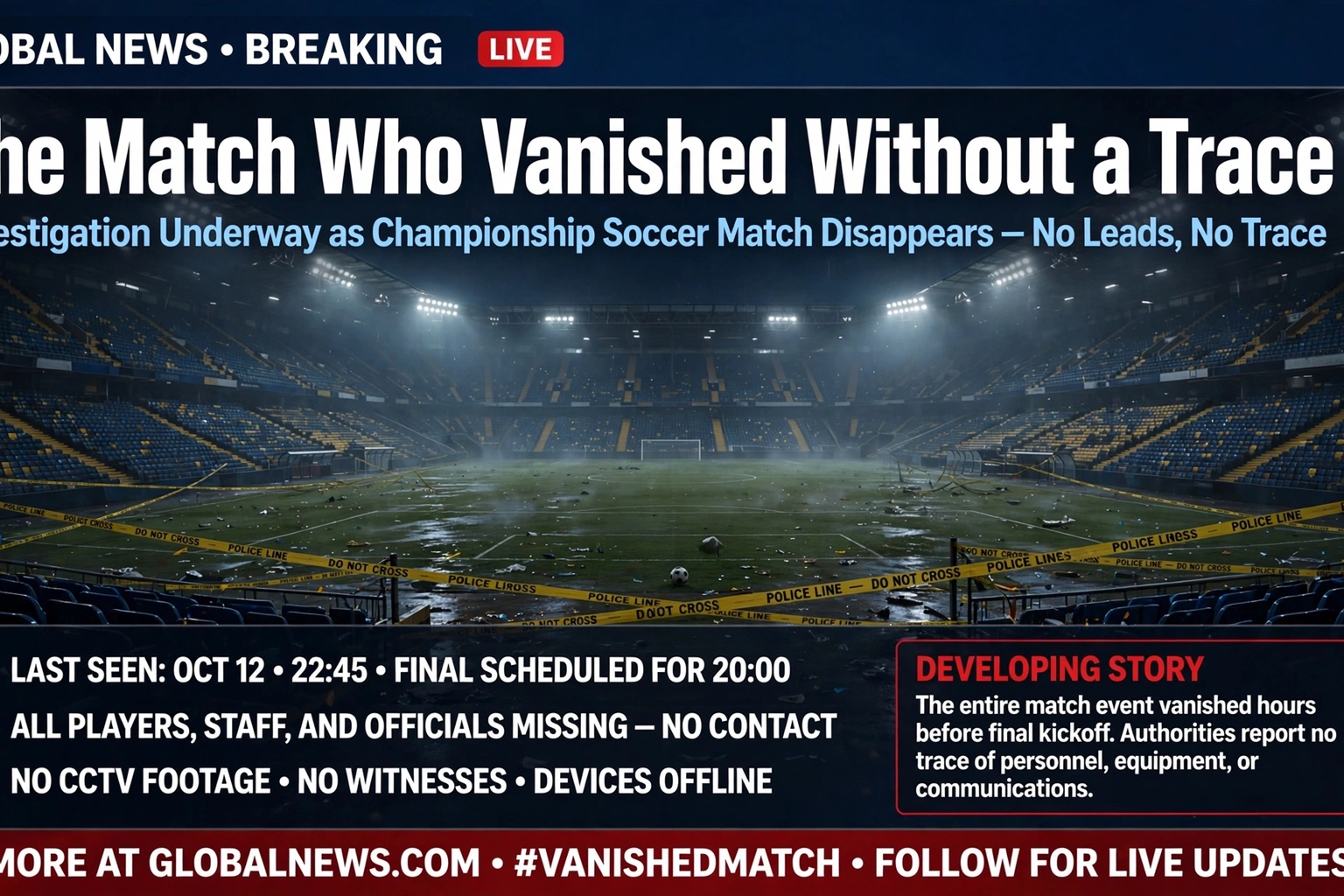
One morning the messages just stop. No fight, no goodbye, no explanation. The profile is gone. The number is dead. The person you talked to every day for three months — the one who called you their future — has vanished without a trace. And the money you sent is gone with them.
This is the final act of the romance scam, and it’s the part nobody warns you about: the disappearance is the plan. The FTC describes how scammers strike up a relationship to build trust, sometimes chatting several times a day, and only then invent the emergency that requires your money. Once the money moves, the relationship has served its purpose. The vanishing isn’t a mystery to solve. It’s the business model.
Why the vanishing works so well
By the time a scammer disappears, they’ve usually done three things. First, they’ve isolated you — discouraging you from telling friends or family, so there’s no one around to say ‘this is a scam’ while it matters. The FBI’s Chicago office lists isolation tactics among the core warning signs.
Second, they’ve made the money hard to trace. The FTC notes scammers demand payment by wire transfer, gift cards with the PIN codes, money transfer apps, or cryptocurrency — every method chosen because it’s fast and nearly impossible to reverse. When the profile vanishes, the money trail is already cold.
Third, they’ve made you complicit in your own silence. Victims often feel embarrassed — the FBI openly acknowledges that this crime is perceived as embarrassing and difficult to report because of its intensely personal nature. Shame is the scammer’s final lock on the door.
The trace they always leave
Here’s what the vanished leave behind: the pattern. The excuse for never meeting (oil rig, military, overseas work — the FTC’s greatest-hits list). The rush off the dating platform to private messaging. The emergency that needed money right now. The demand for gift cards or crypto. Run that pattern against the FTC’s published warning signs and the ‘mystery’ dissolves.
And the person isn’t as untraceable as they feel. The FBI urges victims to report to ic3.gov precisely because reports let investigators connect cases across victims — the same photos, the same scripts, the same wallet addresses. The FTC’s ReportFraud.ftc.gov feeds the Consumer Sentinel database used by thousands of law enforcement agencies.
If your match has vanished, stop chasing the ghost and start the paper trail: contact your bank or the payment company immediately, report to the FTC and the FBI, and notify the platform where you met them. The relationship was fiction. The report is how you make sure the next person they target has a warning waiting.
The FBI’s Chicago office offers a time-based rule that would have saved most victims of the vanishing act: if you haven’t met the individual in person after a few months, you have good reason to be suspicious. Months of daily contact with zero in-person meeting isn’t a slow-burn romance — it’s the maximum-extraction phase of a scam. The Bureau also warns to be careful what you post publicly, since scammers mine your social media to personalize the con, and to research every picture and profile with online search tools. The vanishing feels like a mystery because the scammer controlled the entire reality. Verification tools — reverse image search, the job-plus-‘scammer’ search, a trusted friend’s eyes — are how you take that control back before the money moves.
Disclosure: The stories on Love Lies Abroad are based on publicly reported accounts. We are not stating these as facts — this is what was reported. If you are featured in a story and believe it is inaccurate, contact us and we will review it, correct it, or take it down.
Submit a correction, documentation, context, or a response for private editorial review. Contact the editorial desk.
Join the conversation
Load Facebook comments to read and reply using your Facebook account.