
Susana Remerata Blackwell — née Remerata — was 25 years old when she met Timothy Blackwell, 48, through the “Asian Encounters” mail-order catalogue. They married in the Philippines in March 1993. Within two weeks of arriving in Seattle, she fled his abuse.
The two weeks she spent living with Blackwell were, by her own later testimony, extremely violent. She accused him of assaulting her during their brief marriage, separated from him, and pursued an annulment. Her friends Phoebe Dizon and Veronica Laureta stood by her — and testified about his abuse at the hearing.
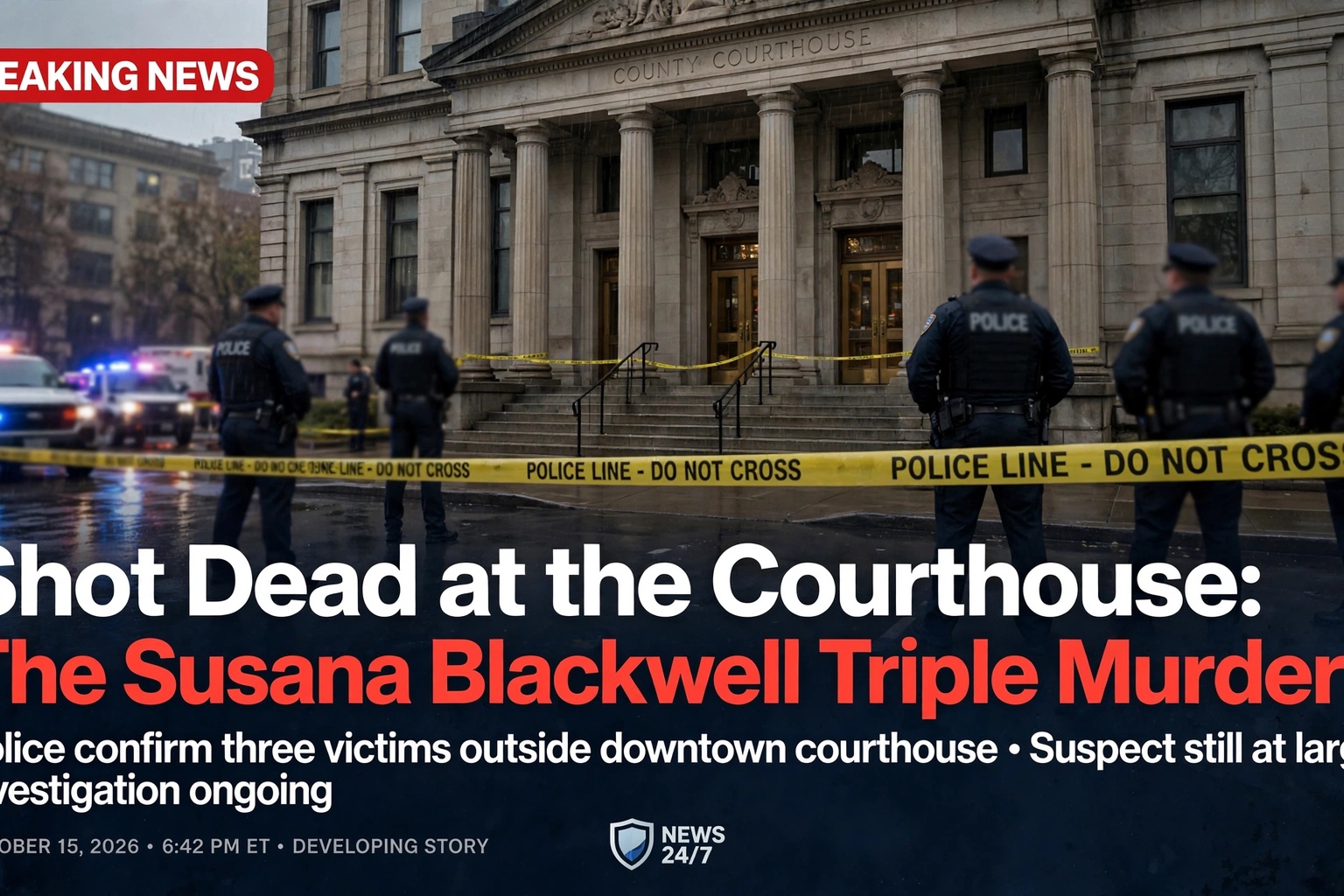
On the morning of March 2, 1995, minutes before closing arguments in the annulment proceedings at the King County Courthouse, Timothy Blackwell opened fire in the hallway with a semiautomatic handgun. He shot Susana dead — she was eight months pregnant — along with her friends Phoebe Dizon and Veronica Laureta, who had come to support her.
The triple murder, committed steps from a courtroom where Susana was seeking legal protection, became one of the most shocking cases associated with the international marriage-broker industry. She had done everything right: left the abusive marriage, pursued the annulment, showed up in court with witnesses. The system could not protect her in the hallway outside.
Blackwell was tried for the murders about a year later. He pleaded not guilty, though his own lawyers conceded he had committed the killings. A jury convicted him, and the conviction was upheld on appeal. At the trial, the testimony the three women had given at the annulment hearing — describing his abuse in their own words — became part of the record against him. The man who had tried to silence them in a courthouse hallway could not silence what they had already said on the record.
The case drew a formal response from the Washington State House of Representatives: House Resolution 95-4635 denounced domestic violence, named the mail-order bride industry’s role in treating women as property to be purchased and dominated, and noted that Susana had been “purchased” through the Asian Encounters catalog. The resolution also condemned the broader perception, encouraged by the industry, of women as property to be dominated — language aimed squarely at the catalogs and brokers still operating openly.
The killings also forced changes at the King County Courthouse itself, where security was tightened, and they galvanized a movement against domestic violence in Seattle’s Filipino community that continues decades later. Every year, the nonprofit API Chaya holds a vigil on the anniversary of the shooting, with photographs of Susana, Phoebe, and Veronica placed in the courthouse — a reminder that the building where they died is also where their memory is kept.
The case is still cited in discussions of modern slavery and the vulnerabilities built into the mail-order bride pipeline — women brought to a foreign country, isolated from family, dependent on the very men they need protection from, and often afraid to report abuse for fear of deportation. Susana’s story is invoked alongside Alla Barney’s as the twin cases that pushed Congress toward the International Marriage Broker Regulation Act of 2005.
Disclosure: The stories on Love Lies Abroad are based on publicly reported accounts. We are not stating these as facts — this is what was reported. If you are featured in a story and believe it is inaccurate, contact us and we will review it, correct it, or take it down.
Submit a correction, documentation, context, or a response for private editorial review. Contact the editorial desk.
Join the conversation
Load Facebook comments to read and reply using your Facebook account.