
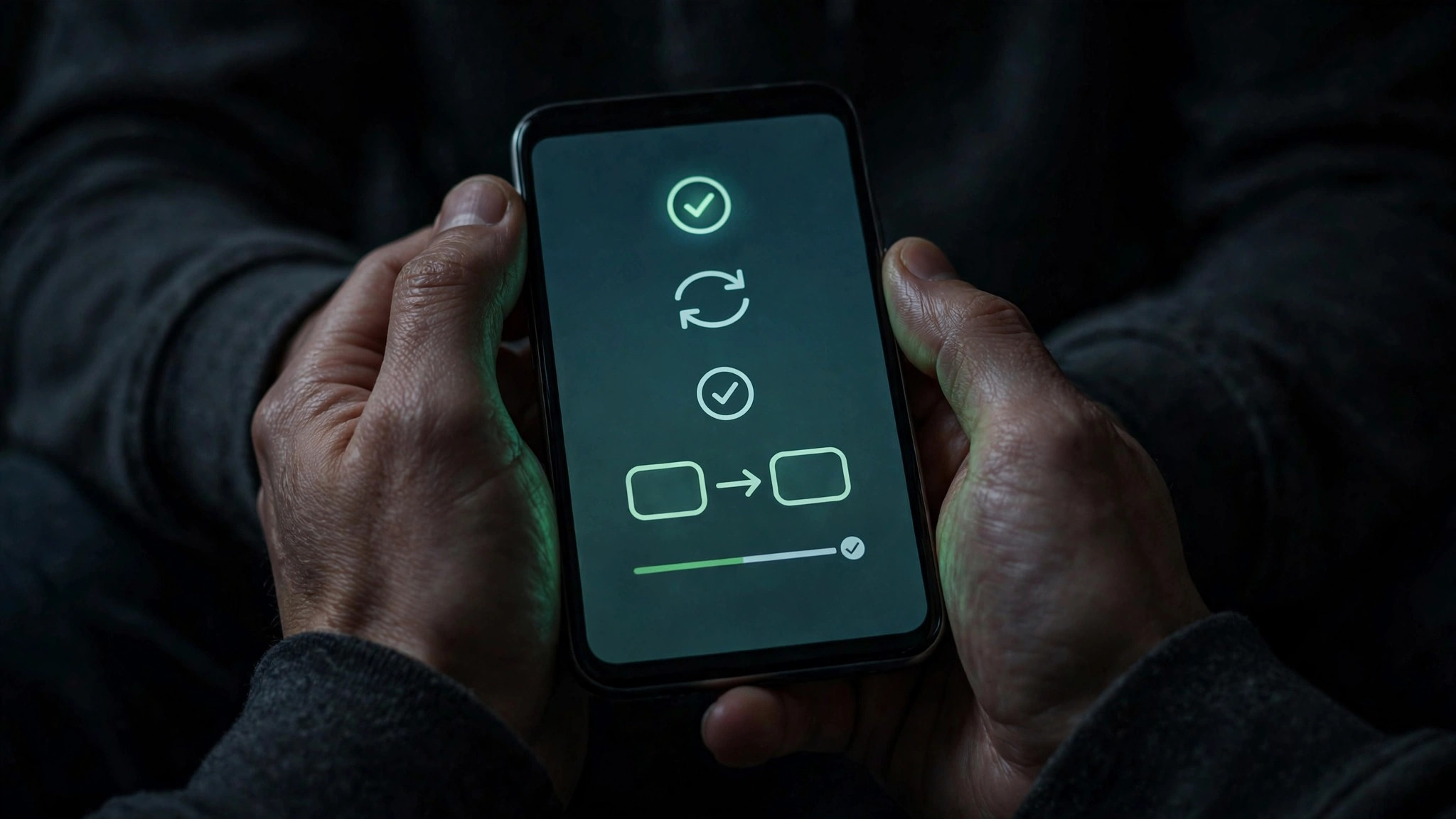
The transfer took eleven seconds. I remember because I counted — one breath in, one breath out, and four hundred dollars was gone, traveling to a man I had never stood in the same room with. He needed it for a customs fee. A package was being held, and inside the package — he said — was a gift for me. It sounded strange when I typed it out later, but in the moment it felt like helping someone I loved solve a small problem. That is the part nobody warns you about: it never feels like being scammed. It feels like being generous.
A week later came the second emergency. Bigger this time. And that was when something cold moved through me, because real emergencies do not arrive on a schedule. I stopped answering for a day. I read our messages from the beginning, all at once, the way a stranger would. The love-bombing was obvious in retrospect. The excuses for never video calling. The way every plan to meet dissolved two days before the date.
I never got the four hundred dollars back. I did get something else: a rule I have kept ever since. Money and absence do not mix. If someone cannot be in the room with you, they do not get access to your wallet. Full stop.
I tell this story because eleven seconds is all it takes, and because embarrassment is the scammer’s best friend. If this happened to you, it does not mean you are foolish. It means you are human, and someone studied exactly how to use that.
Here is what I wish someone had told me before the first transfer, not after the second request. The customs-fee story is one of the oldest scripts in romance fraud. The FBI’s Los Angeles field office lists the classics: a medical emergency, an unexpected legal fee, a package held at customs — always urgent, always just out of reach, always solvable with your money. Scammers draw people in with pictures stolen from around the internet, the FTC warns, building false personas that seem just real enough to be true, but always having a reason never to meet in person. Eventually, the supposed suitor asks for money. The median loss the FTC recorded was $2,500 — more than ten times the median across all other frauds. My $400 was on the low end. That is not comforting. It means the script works at every price point.
The second thing I learned: the schedule is the tell. Real emergencies do not arrive on a schedule, and real partners do not escalate the amounts. The FBI notes the red flags I lived through without recognizing — an individual professing love quickly, attempts to isolate you from friends and family, plans to visit that always cancel because of some emergency. If you have not met the person after a few months, the FBI says plainly, you have good reason to be suspicious. I had not met him after five.
The third thing: secrecy is the fuel. I told no one about the first transfer. Not my sister, not my best friend — because some part of me already knew how it would sound out loud. That is the mechanism. The FTC’s consumer guidance says it directly: talk to friends and family about a new love interest and pay attention if they are concerned. I eventually did exactly that, shaking, reading the messages aloud. My sister went quiet for a long moment and then said, “He was never coming.” She was right, and I hated that she was right, and I am grateful every day that I let her say it.
If you are reading this mid-story — if the second emergency has just arrived — here is your exit plan. Stop sending anything, today, not after one more conversation. Save every message, every receipt, every profile screenshot. Run a reverse image search on every photo they ever sent you; it takes thirty seconds and ends more scams than any other single step. File a complaint with the FBI’s Internet Crime Complaint Center at ic3.gov — you can report even if you have not lost money, and in 2024 nearly 18,000 victims reported over $670 million in romance-scam losses there. Then tell one person the whole story, out loud, from the beginning.
Eleven seconds to send it. A lifetime to stop blaming yourself. Start with the part that is true: you were generous to someone you believed loved you. Now be generous to yourself, and walk away.
Disclosure: The stories on Love Lies Abroad are based on publicly reported accounts. We are not stating these as facts — this is what was reported. If you are featured in a story and believe it is inaccurate, contact us and we will review it, correct it, or take it down.
Submit a correction, documentation, context, or a response for private editorial review. Contact the editorial desk.
Join the conversation
Load Facebook comments to read and reply using your Facebook account.